
Hornet Extermination 101: Safe Removal Techniques and Prevention Tips
Hornets are among the most intimidating stinging insects homeowners encounter. Their size, loud buzzing, and highly protective behavior around nests can make them difficult to ignore once they settle near a home. A nest located in a tree, roofline, shed, or wall cavity can quickly become a safety concern for families, pets, and visitors. Because hornets are capable of stinging multiple times and aggressively defending their colony, addressing an infestation requires careful planning and a strong understanding of their behavior.
While many people view hornets simply as pests, they are also active predators that help control other insect populations. Problems arise when nests are built too close to living spaces or areas with frequent human activity. At that point, safe hornet extermination becomes necessary to reduce risks and restore a comfortable environment. According to the CDC, an average of 72 people die annually from hornet, wasp, and bee stings in the U.S. This statistic highlights why responsible removal and preventative strategies are so important for property owners.
Learning how hornets behave, where they prefer to build nests, and how to respond safely can make a major difference when dealing with an infestation. The following guide explores the most important elements of hornet extermination, from recognizing hornet activity to implementing effective removal methods and preventing future colonies from forming.
Understanding Hornet Behavior and Nesting Habits
Effective pest management begins with understanding the insect involved. Hornets follow a seasonal life cycle that begins in early spring when a fertilized queen emerges from winter hibernation. She searches for a sheltered location and begins building a small paper-like nest from chewed wood fibers mixed with saliva. After laying the first batch of eggs, worker hornets emerge and take over the responsibility of expanding the nest and collecting food. By mid to late summer, a mature colony can contain hundreds of hornets actively protecting the nest.
Hornets typically build nests in elevated or protected locations. Tree branches, roof overhangs, attic spaces, wall voids, and sheds are all common nesting areas. Their nests are recognizable by their gray, papery exterior and rounded or football-like shape. As the colony grows, the structure expands in size to accommodate more developing hornets. When nests remain undetected during early stages, they can grow rapidly and become more difficult to remove safely.
Hornets are primarily active during daylight hours when they search for food sources such as nectar, fruit, and other insects. Their aggressive reputation largely stems from their strong defensive instincts around the nest. If they sense vibrations, loud noises, or sudden movement nearby, worker hornets may swarm to protect the colony. Recognizing these patterns helps determine the safest time and method for hornet extermination while minimizing the risk of provoking a defensive attack.
Preparing Safely Before Attempting Hornet Extermination
Safety preparation is essential before attempting any form of nest removal. Hornets can sting repeatedly, and a disturbed colony may respond quickly and aggressively. Wearing appropriate protective gear greatly reduces the risk of injury. Long sleeves, thick gloves, full-length pants, and protective head coverings can create an important barrier between you and potential stings. In more serious situations, professional-grade protective suits are often used to ensure maximum coverage.
Beyond personal protection, it is important to secure the surrounding area. Family members, neighbors, children, and pets should be moved indoors or far away from the nest before removal begins. Clear communication about when and where the removal will occur helps prevent accidental disturbances. Even people who are not directly involved in the process can unknowingly trigger hornet aggression by walking too close to the colony during treatment.
Health considerations also play a major role in safe pest control. Individuals with known insect sting allergies should never attempt to remove a nest themselves. Emergency supplies such as antihistamines or epinephrine injectors should be accessible if someone nearby has a history of allergic reactions. Planning an escape route and ensuring clear access away from the nest area also allows anyone performing hornet extermination to retreat quickly if the insects become overly defensive.
Applying Effective Hornet Extermination Methods
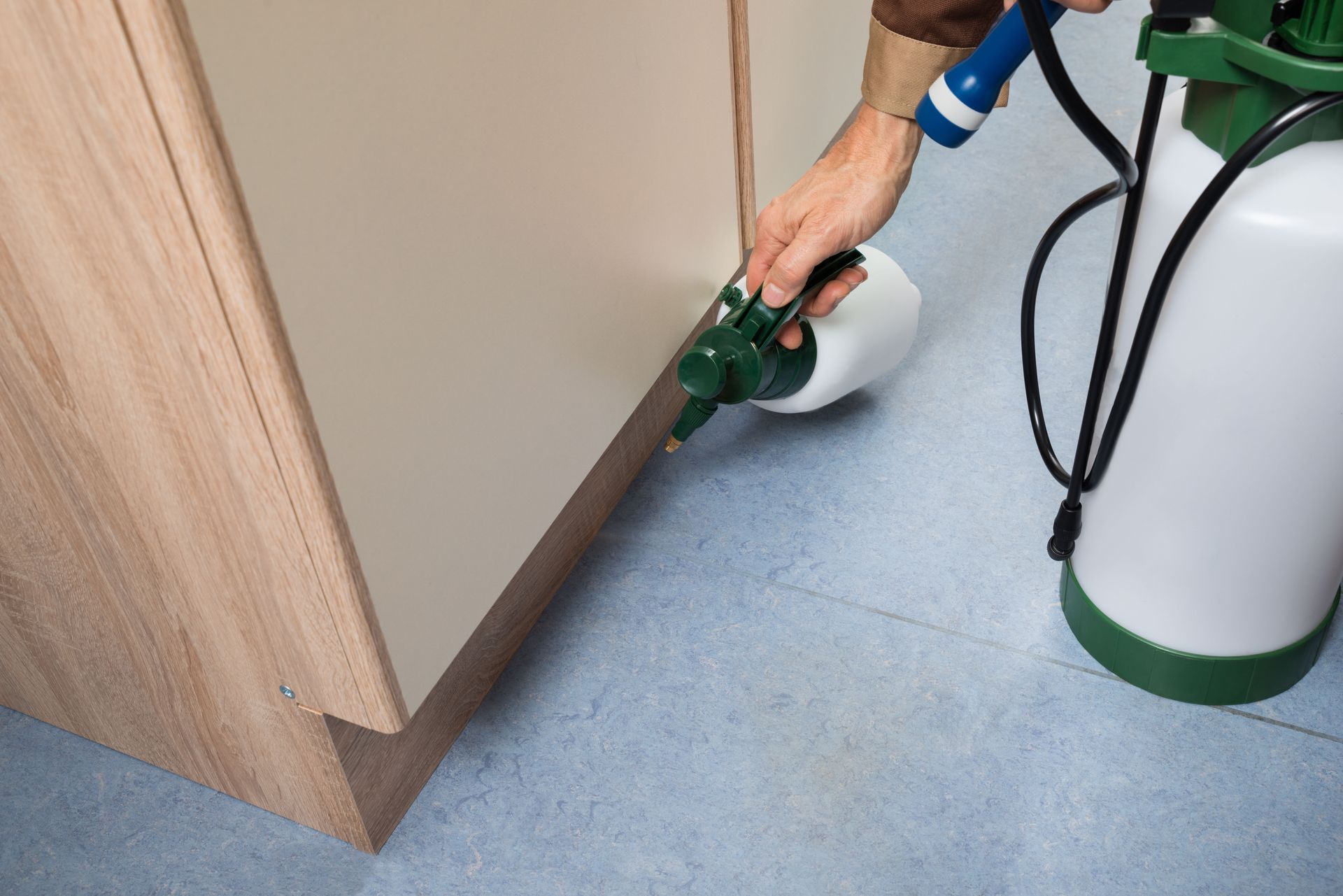
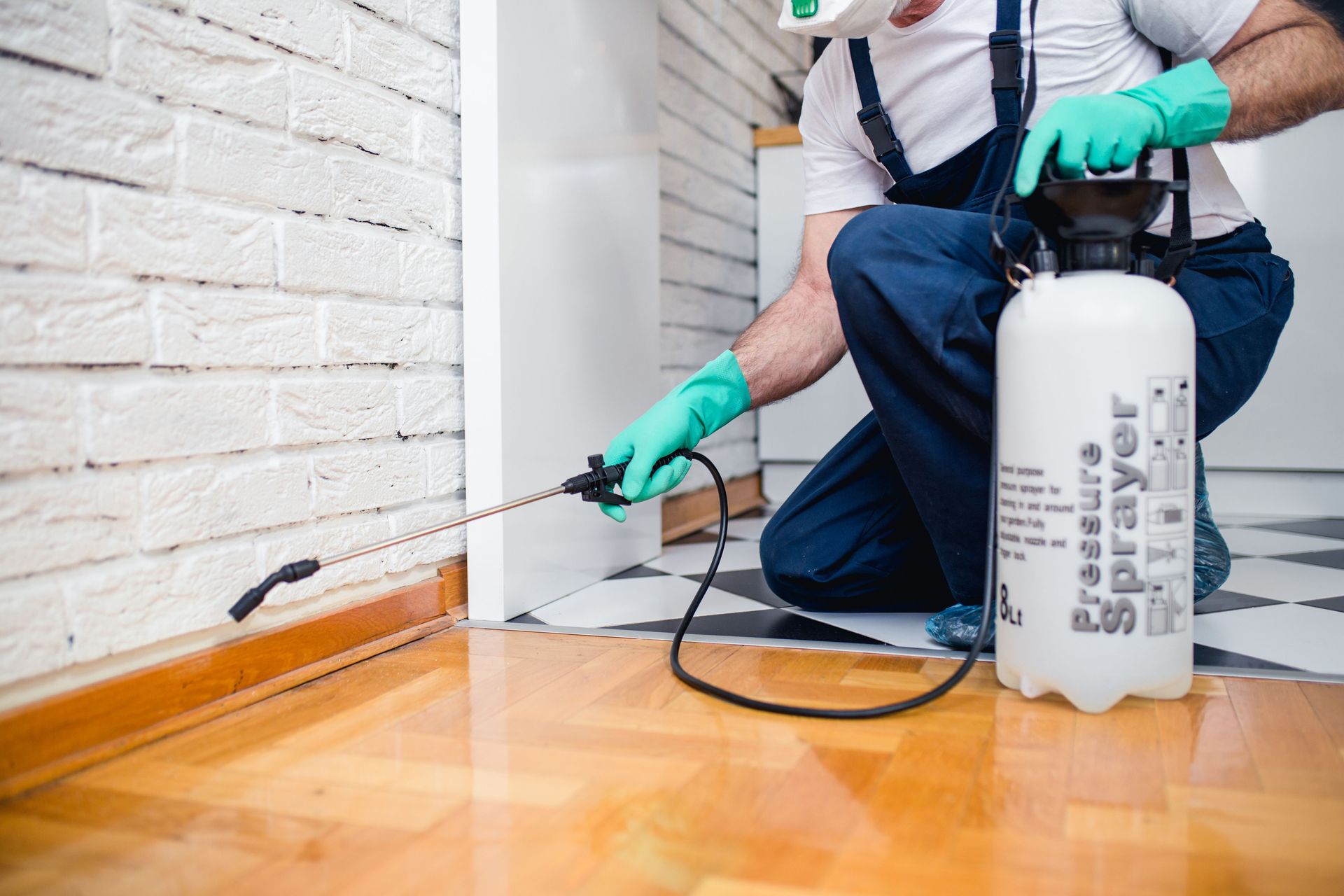
Several methods are used to eliminate hornet colonies, and the best approach often depends on the nest location and colony size. Small, easily accessible nests may sometimes be treated using insecticidal sprays specifically designed for stinging insects. These sprays often allow for long-distance application, which helps reduce the need to approach the nest closely. Treatments are typically most effective during evening or early morning hours when hornets are less active, and most of the colony is inside the nest.
Foaming insecticides are another widely used tool. These products expand upon contact, filling nest openings and penetrating the internal chambers where hornets live. The foam carries the active ingredient deep into the structure, helping eliminate workers and developing larvae. Following label instructions carefully is critical when using chemical products, as misuse can reduce effectiveness or increase exposure risks for humans and pets.
In certain situations, physical nest removal may be necessary after treatment has neutralized the colony. This process involves carefully detaching the nest and sealing it inside a protective bag for disposal. Because hornets defend their homes aggressively, this step should only occur after the colony is inactive. Proper hornet extermination combines elimination of the insects with safe removal of the nest structure so the area can be cleaned and monitored for future activity.
Reducing Risks and Avoiding Common Removal Mistakes
One of the most common mistakes homeowners make when dealing with hornets is underestimating how quickly the insects can react to disturbances. Throwing objects at a nest, spraying it with water, or attempting removal during peak daytime activity can provoke immediate defensive behavior. Such actions may result in multiple stings and a chaotic situation that becomes difficult to control.
Another mistake involves incomplete treatment. If a nest is partially damaged but not fully eliminated, surviving hornets may attempt to rebuild or relocate nearby. This can lead to ongoing pest problems that become more difficult to resolve. Ensuring that the entire colony is addressed during the removal process is critical for long-term results.
Lighting also plays an important role when working near hornet nests. Bright lights at night can attract and agitate hornets, increasing the likelihood of aggressive behavior. Red or dim lighting is sometimes used by professionals because it causes less disturbance to the insects. Avoiding sudden movements, loud vibrations, or unnecessary contact with the nest area also helps maintain safer conditions throughout the hornet extermination process.
Preventing Future Hornet Activity Around Your Property
Once a nest has been removed, preventative measures help reduce the chances of new colonies forming in the same area. Hornet queens searching for nesting sites in spring often prefer quiet, sheltered locations with easy access to food. Sealing small openings around rooflines, siding, and attic vents can eliminate potential entry points that attract nesting queens.
Regular property inspections are another effective prevention strategy. Checking trees, sheds, fences, and roof overhangs during early spring can help detect small starter nests before they expand into large colonies. Removing these early structures prevents worker hornets from developing and greatly simplifies the management process.
Landscaping and sanitation also play important roles in prevention. Keeping trash bins tightly sealed, removing fallen fruit, and limiting access to sugary food sources can discourage hornets from lingering near your home. Trimming overgrown branches and maintaining clean outdoor spaces reduces the number of attractive nesting locations available. When combined with timely inspections, these practices can significantly lower the likelihood that hornet extermination will be needed again.
Professional assistance is often the safest solution when dealing with large nests or difficult locations. Experienced technicians have the tools, protective equipment, and training required to perform hornet extermination while minimizing risk to homeowners and surrounding structures. For more information about the services that we offer, reach out to our incredible team at Innovative Pest Solutions today!



Share On: