
The Most Common Pests Found in Homes and How to Handle Them
If you’ve ever noticed ants trailing across your counter or heard scratching behind your walls, you know how quickly pests can escalate from a minor annoyance to a serious issue. Most homeowners encounter pest activity at some point, and the challenge isn’t just removing them—it’s understanding why they’re there and how to prevent them from returning. From insects to rodents, each pest comes with its own risks and behaviors, but with the right approach, infestations can be managed effectively. Whether you choose DIY methods or professional pest control services, having a clear plan is key to keeping your home protected.
Identifying Cockroaches and Managing Infestations
Cockroaches are one of the most persistent household pests, and once they settle in, they can be difficult to eliminate. The most common species you’ll encounter include German, American, and Oriental cockroaches, each with slightly different appearances and habits. German cockroaches tend to be smaller and lighter in color, while American cockroaches are larger and more reddish-brown. Recognizing which type you’re dealing with helps determine the most effective treatment approach.
Beyond their appearance, cockroaches are a serious health concern. They can spread bacteria that lead to illnesses and are known to trigger allergies and asthma, especially in children. Their presence often indicates underlying issues like moisture buildup or accessible food sources, which makes sanitation a critical part of any control plan.
To manage them effectively, start by eliminating what attracts them. Keep food sealed, clean surfaces regularly, and address leaks or damp areas. For smaller infestations, bait stations and boric acid can work well, but larger problems typically require pest control services that use targeted treatments and long-term prevention strategies.
Recognizing Rodents and Preventing Entry
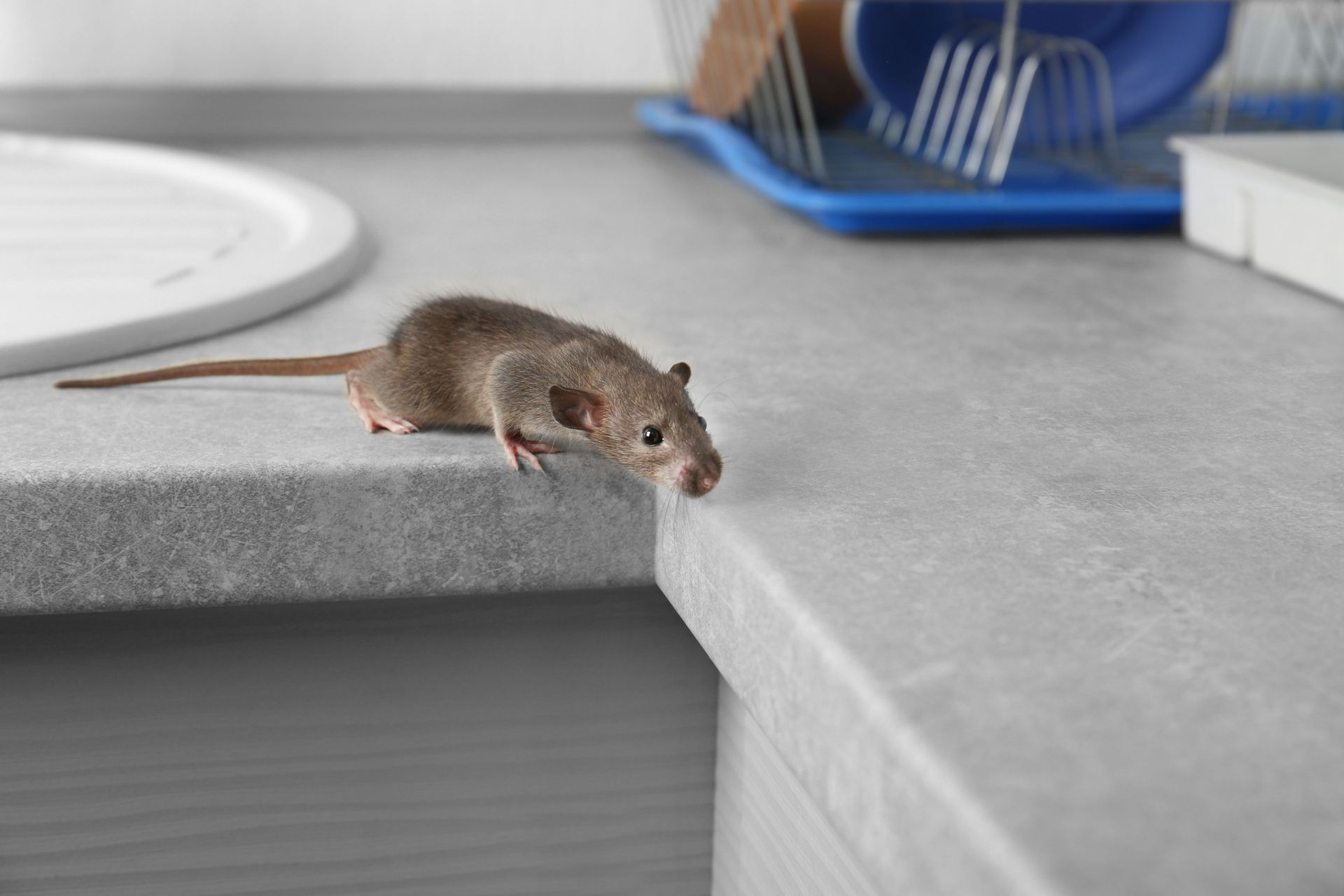
Rodents like mice and rats are more than just unsettling—they can cause extensive damage and pose real health risks. Signs of an infestation often include droppings, gnaw marks, and scratching noises, especially at night. You may also notice shredded materials or nesting areas in hidden corners of your home.
The risks associated with rodents go beyond contamination. They can chew through wires, insulation, and even structural elements, creating fire hazards and costly repairs. Their rapid reproduction makes early detection essential, as a small issue can escalate quickly if left unchecked.
Prevention starts with sealing entry points. Even small gaps around doors, windows, and foundations can allow rodents inside. Combine this with proper food storage and routine cleaning to reduce attractants. While traps and baits can help manage small populations, larger infestations are best handled with pest control services that can identify access points and apply comprehensive solutions.
Understanding Ant Behavior and Controlling Colonies
Ants are a common frustration because they rarely appear alone. What you see is usually just a fraction of a much larger colony nearby. Different species, such as carpenter ants or pavement ants, behave differently, but they all share one goal: finding food and bringing it back to their nest.
Their ability to communicate through scent trails is what makes them so effective—and so difficult to control. Once a trail is established, more ants quickly follow, turning a minor sighting into a full-blown invasion. That’s why simply spraying visible ants often doesn’t solve the problem.
Effective control focuses on disrupting these patterns. Clean surfaces thoroughly to remove scent trails, store food securely, and use bait systems that target the colony rather than individual ants. Long-term prevention may also involve sealing entry points and reducing outdoor conditions that encourage nesting. In persistent cases, pest control services can provide more targeted treatments that eliminate the colony at its source.
Detecting Termites and Protecting Structures
Termites are one of the most destructive pests a homeowner can face, largely because they often go unnoticed until damage is already significant. Early signs include hollow-sounding wood, mud tubes along walls or foundations, and discarded wings near windows or doors. These subtle indicators are easy to miss without regular inspection.
Different types of termites require different approaches. Subterranean termites live in soil and build tunnels to access wood, while drywood termites infest the wood directly. Each type presents unique challenges, making accurate identification an important first step.
Prevention is key when it comes to termites. Reducing moisture, keeping wood away from soil contact, and scheduling regular inspections can significantly lower your risk. Treatment options range from liquid barriers to bait systems, depending on the severity of the infestation. Because of the complexity involved, most homeowners rely on pest control services for effective termite management and long-term protection.
Detecting Bed Bugs and Eliminating Infestations
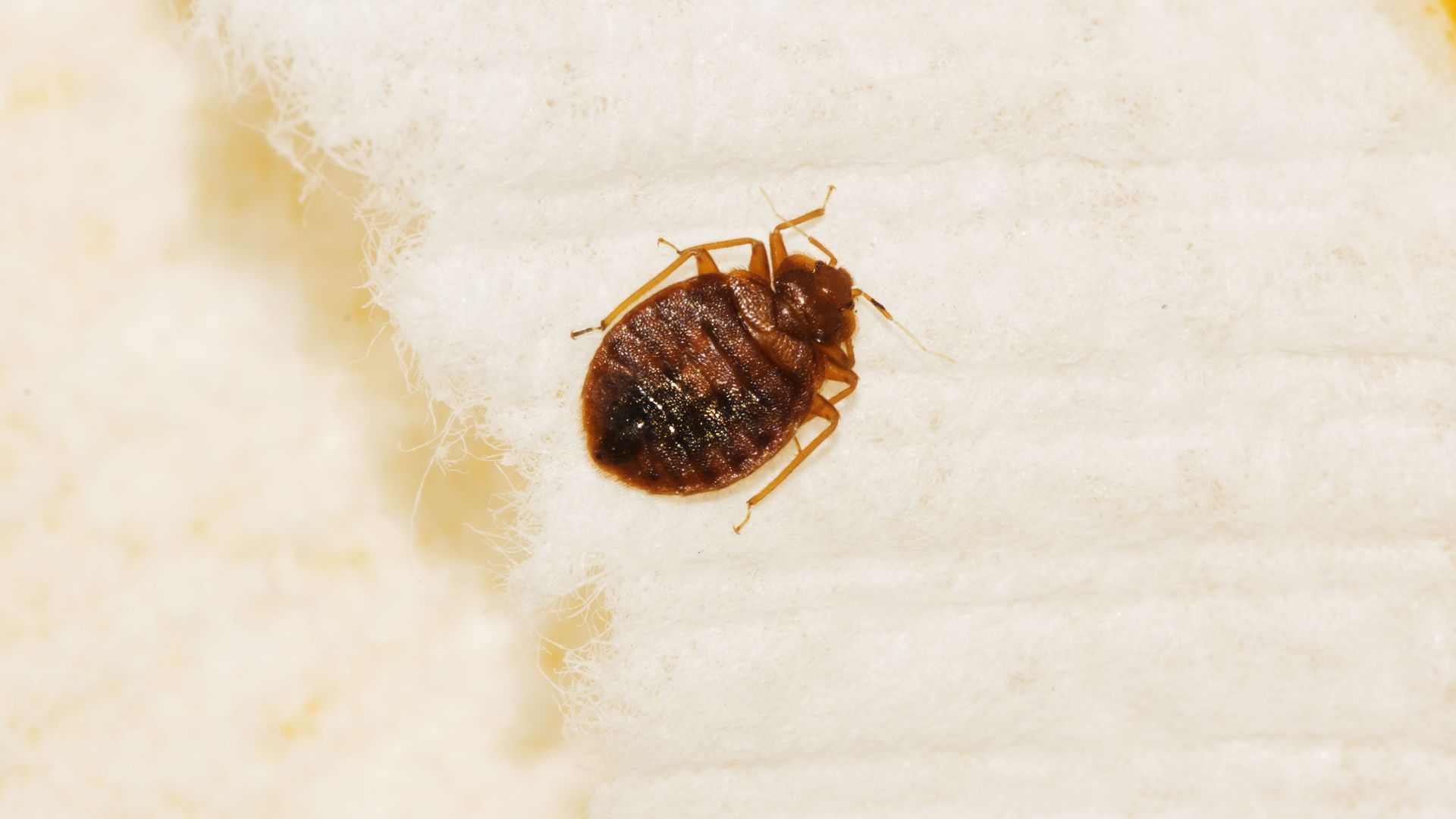
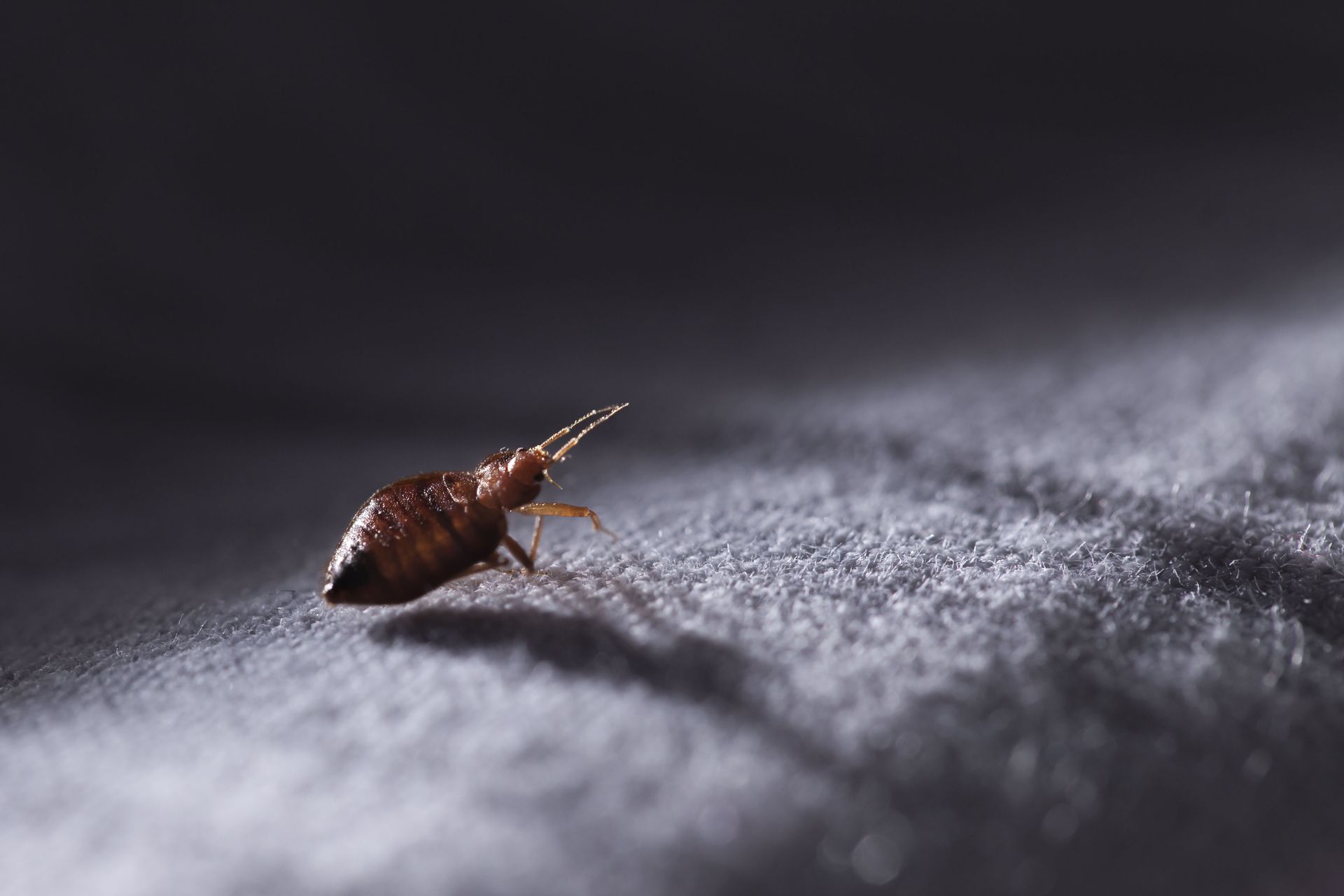
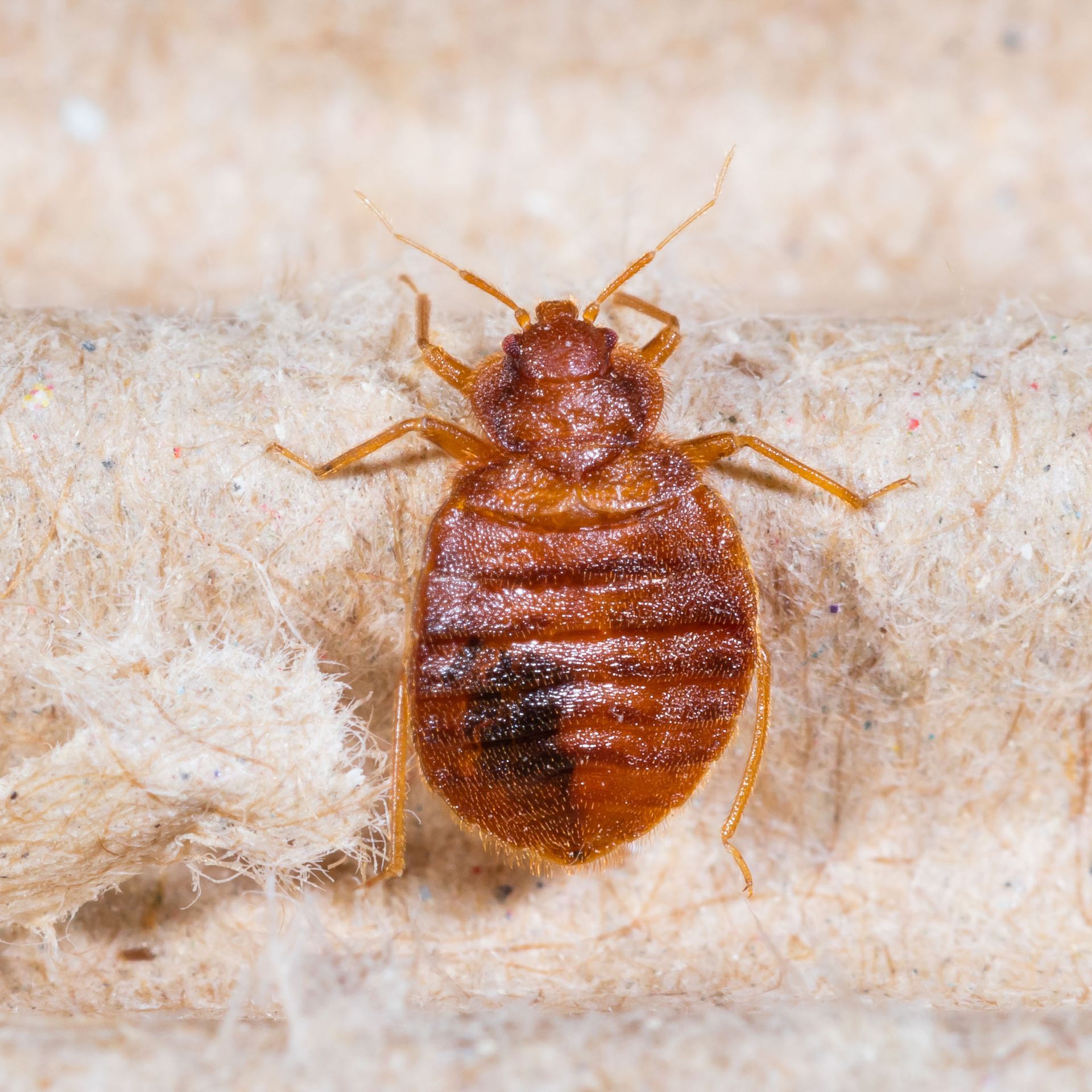
Bed bugs are one of the most stressful pests to deal with, largely because they affect your ability to rest comfortably in your own home. Early signs include small bite marks, blood spots on bedding, and tiny dark stains along mattress seams. These pests are experts at hiding, often staying out of sight during the day.
While bed bugs are not known to spread disease, they can cause significant discomfort and anxiety. Their bites can lead to itching and irritation, and the mental strain of dealing with an infestation can disrupt sleep and daily routines. That’s why quick action is essential.
Elimination typically involves a combination of cleaning, heat treatments, and targeted products. Washing bedding at high temperatures and reducing clutter can help limit their spread. However, because bed bugs are so resilient, many infestations require professional pest control services to fully eradicate them and prevent recurrence.
Identifying Spiders and Reducing Indoor Presence
Spiders are often more of a psychological concern than a physical threat, as most species found in homes are harmless. Common house spiders, cellar spiders, and similar varieties typically stay out of sight and help control other insect populations. However, their presence can still be unsettling for many homeowners.
Understanding spider behavior helps put things into perspective. Most spiders enter homes in search of food or shelter and are not actively seeking human interaction. That said, it’s still reasonable to want to keep them out of living spaces.
Reducing clutter, sealing entry points, and removing webs regularly can significantly decrease spider activity. Natural repellents like essential oils can also help discourage them from settling indoors. If spider populations become excessive or involve potentially harmful species, pest control services can provide safe and effective removal options.
Comparing DIY Methods and Hiring Professionals
When dealing with pests, one of the biggest decisions homeowners face is whether to handle the problem themselves or call in professionals. DIY methods can be effective for minor issues, especially when combined with good sanitation and prevention practices. Products like traps, baits, and natural deterrents are widely available and can deliver results when used correctly.
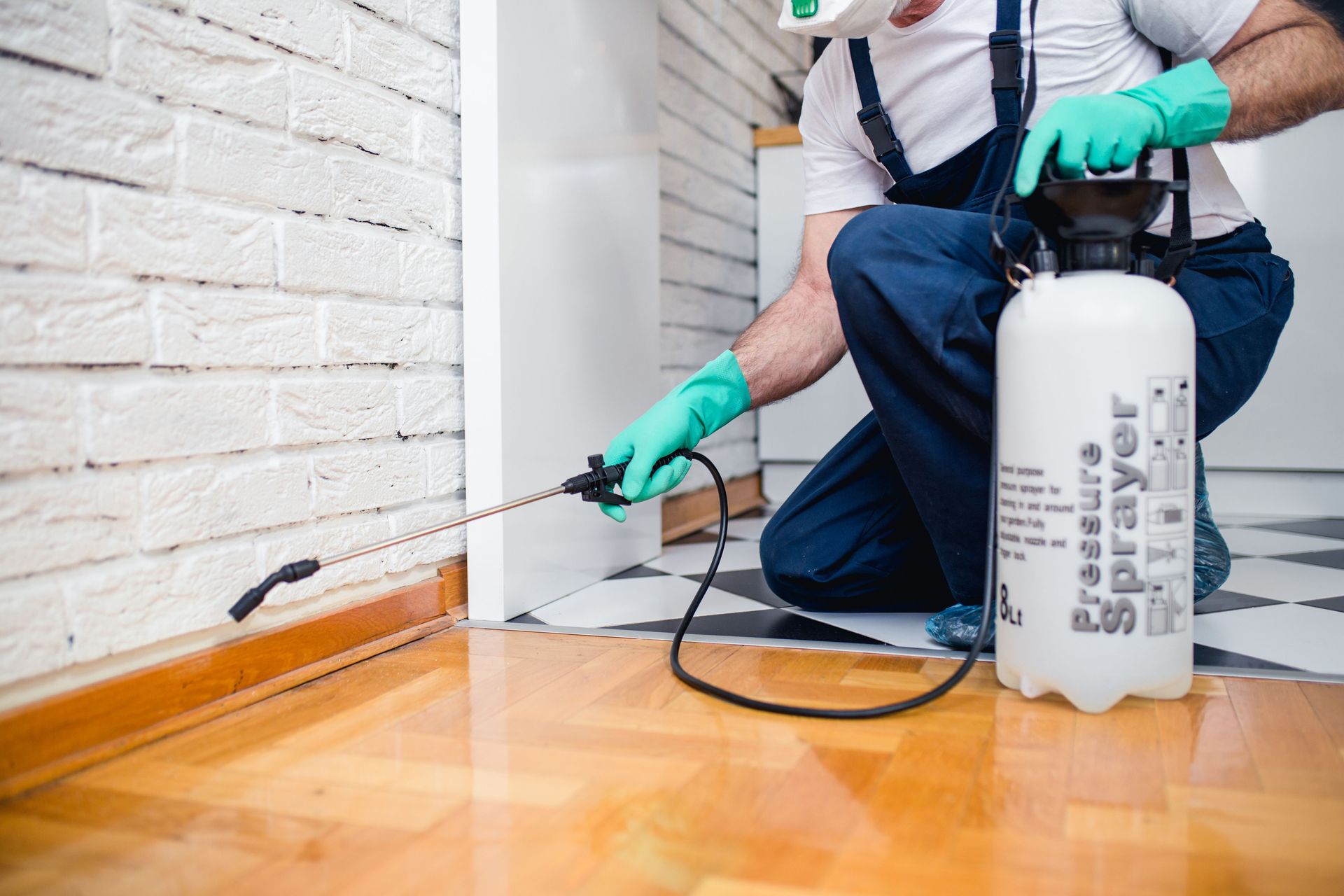
However, not all infestations are easy to manage. Larger or recurring problems often require a more strategic approach that goes beyond surface-level treatment. This is where professional pest control services come into play, offering expertise, specialized equipment, and long-term solutions that address the root cause of infestations.
It’s also worth noting the scale of the industry itself. According to IBISWorld data indicates that insect extermination accounts for roughly 90% of total revenue in the pest control sector, underscoring how common and significant these issues are for homeowners. Choosing between DIY and professional help ultimately depends on the severity of the problem, your comfort level, and the need for long-term prevention.
Dealing with household pests is rarely a one-time task—it requires ongoing awareness, prevention, and timely action. Whether you’re dealing with cockroaches, rodents, ants, termites, bed bugs, or spiders, understanding their behavior helps you manage them more effectively. A balanced approach works best: build preventative habits, address issues early, and use pest control services when needed. If you’re ready to protect your home and prevent future infestations, contact Innovative Pest Solutions today.

Share On: